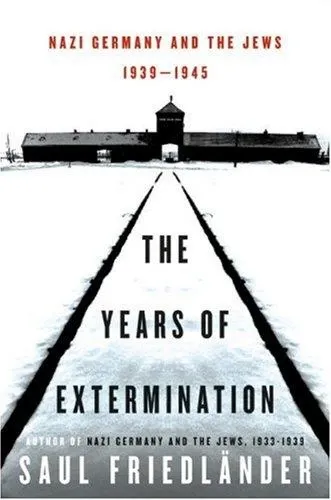
あらすじ
600万のヨーロッパのユダヤ人の殺害をもたらしたドイツの絶滅政策の実行は、多くの要因に依存していた——地方当局や警察の協力、そして住民、とりわけその政治的・精神的なエリートたちの受動性を含めて。犠牲者たちが、しばしばドイツの締めつけから逃れられるほど長く生き延びるという希望を抱いて、屈することをいとわなかったこともまた必要だった。ナチス・ドイツとユダヤ人についてのソウル・フリードレンダーの大きな歴史的仕事を完結させる本書は、この、近代のジェノサイドの中で最も体系的で持続的なものの、さまざまな側面が収斂していくさまを探る。膨大な文書と、日記・手紙・回想録からの圧倒的な声の合唱にもとづくこの比類ない仕事において、ホロコーストの歴史は、その決定版というべき表現を見いだした。
AI翻訳 内容に誤りを含む場合があります。
原著あらすじ
The enactment of the German extermination policies that resulted in the murder of six million European Jews depended upon many factors, including the cooperation of local authorities and police departments, and the passivity of the populations, primarily of their political and spiritual elites. Necessary also was the victims' willingness to submit, often with the hope of surviving long enough to escape the German vise. The Years of Extermination, the completion of Saul Friedlander's major historical opus on Nazi Germany and the Jews, explores the convergence of the various aspects of this most systematic and sustained of modern genocides. In this unparalleled work — based on a vast array of documents and an overwhelming choir of voices from diaries, letters, and memoirs — the history of the Holocaust has found its definitive representation.
受賞
原書で読む
広告(アフィリエイト)を含みます
この本の和訳はまだありません(翻訳が望まれます)。