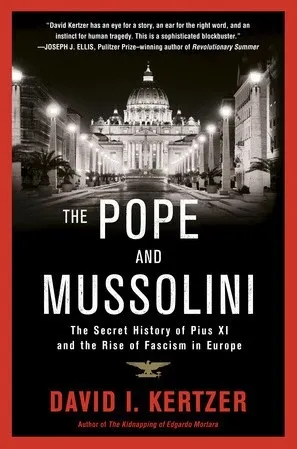
The Pope and Mussolini: The Secret History of Pius XI and the Rise of Fascism in Europe
あらすじ
全米図書賞最終候補のデイヴィッド・I・カーツァーが、ピウス11世教皇とイタリアの独裁者ベニート・ムッソリーニとの秘密の関係の、引き込まれる物語を届ける。ヴァチカンとファシストの文書館での7年にわたる調査——教会の最高レベルに潜り込んだムッソリーニのスパイの報告書を含む——にもとづくこの画期的な仕事は、ヨーロッパにおけるファシズムの台頭でヴァチカンが果たした役割についての私たちの理解を、永遠に変えるだろう。本書は、1922年に権力の座に就き、ともに20世紀の歴史の道筋を変えた二人の男の物語を語る。ほとんどの点で、二人はこれ以上ないほど異なっていた。一方は学究的で敬虔、他方は粗暴で不敬だった。それでも、ピウス11世と「ドゥーチェ」には多くの共通点があった。二人は民主主義への不信と、共産主義への本能的な憎悪を分かち合っていた。ともに突然の癇癪を起こしがちで、自らの職の特権を激しく守った。それぞれが、自らの権力を固め、政治的目標を達成するために、相手を頼りにした。英雄的な教会がファシスト体制と戦うというこの時代の通説に挑んで、カーツァーは、ピウス11世がムッソリーニの独裁を可能にし、彼を権力の座にとどめる上で、いかに決定的な役割を果たしたかを示す。ヴァチカンの支持と引き換えに、ムッソリーニは教会が失った特権の多くを回復し、警察にカトリックの道徳を強制させよという教皇の要求に応じた。だが、その晩年に——イタリアの独裁者がヒトラーにますます接近する中で——教皇のこの危険な取引への信頼は揺らぎ始めた。健康を害しながら、彼はドゥーチェを非難し始め、手遅れになる前にムッソリーニの反ユダヤ的な人種法を糾弾すると脅した。教会とファシストの同盟への脅威におびえたヴァチカンの中枢——のちの教皇ピウス12世を含む——は、長年にわたって教会と独裁者の双方に役立ってきたこのパートナーシップを、この強情な教皇が壊してしまわぬよう、抑えようと奮闘した。本書は、イタリアにおけるファシズムの支配を可能にする一助となった人々の、忘れがたい肖像に満ちている——教皇の独裁者への私的な使者にして、「ムッソリーニのラスプーチン」として知られた狡猾な反ユダヤ主義者ピエトロ・タッキ・ヴェントゥーリ神父。広く嘲笑の的となり、横暴なドゥーチェに立ち向かうだけの——文字どおりにも比喩的にも——背丈を欠いたイタリア国王ヴィットーリオ・エマヌエーレ3世。そして、その政治的手腕と野心によってヴァチカン内でムッソリーニの最も強力な盟友となり、その行動が何十年にもわたって論争の的となる、物議をかもす教皇ピウス12世として教皇のあとを継ぐ地位に立った、国務長官枢機卿エウジェニオ・パチェッリ。ピウス11世の教皇在位期を扱うヴァチカン文書館が近年公開されたことで、教皇とそのファシストのパートナーとの複雑な関係の全貌が、ついに語られうるようになった。鮮烈で劇的、随所に驚きを秘めた本書は、真実の稲妻のような手つきで大きく描かれた歴史である。
AI翻訳 内容に誤りを含む場合があります。
原著あらすじ
From National Book Award finalist David I. Kertzer comes the gripping story of Pope Pius XI's secret relations with Italian dictator Benito Mussolini. This groundbreaking work, based on seven years of research in the Vatican and Fascist archives, including reports from Mussolini's spies inside the highest levels of the Church, will forever change our understanding of the Vatican's role in the rise of Fascism in Europe. The Pope and Mussolini tells the story of two men who came to power in 1922, and together changed the course of twentieth-century history. In most respects, they could not have been more different. One was scholarly and devout, the other thuggish and profane. Yet Pius XI and "Il Duce" had many things in common. They shared a distrust of democracy and a visceral hatred of Communism. Both were prone to sudden fits of temper and were fiercely protective of the prerogatives of their office. ("We have many interests to protect," the Pope declared, soon after Mussolini seized control of the government in 1922.) Each relied on the other to consolidate his power and achieve his political goals. In a challenge to the conventional history of this period, in which a heroic Church does battle with the Fascist regime, Kertzer shows how Pius XI played a crucial role in making Mussolini's dictatorship possible and keeping him in power. In exchange for Vatican support, Mussolini restored many of the privileges the Church had lost and gave in to the pope's demands that the police enforce Catholic morality. Yet in the last years of his life -- as the Italian dictator grew ever closer to Hitler -- the pontiff's faith in this treacherous bargain started to waver. With his health failing, he began to lash out at the Duce and threatened to denounce Mussolini's anti-Semitic racial laws before it was too late. Horrified by the threat to the Church-Fascist alliance, the Vatican's inner circle, including the future Pope Pius XII, struggled to restrain the headstrong pope from destroying a partnership that had served both the Church and the dictator for many years. The Pope and Mussolini brims with memorable portraits of the men who helped enable the reign of Fascism in Italy: Father Pietro Tacchi Venturi, Pius's personal emissary to the dictator, a wily anti-Semite known as Mussolini's Rasputin; Victor Emmanuel III, the king of Italy, an object of widespread derision who lacked the stature -- literally and figuratively -- to stand up to the domineering Duce; and Cardinal Secretary of State Eugenio Pacelli, whose political skills and ambition made him Mussolini's most powerful ally inside the Vatican, and positioned him to succeed the pontiff as the controversial Pius XII, whose actions during World War II would be subject for debate for decades to come. With the recent opening of the Vatican archives covering Pius XI's papacy, the full story of the Pope's complex relationship with his Fascist partner can finally be told. Vivid, dramatic, with surprises at every turn, The Pope and Mussolini is history writ large and with the lightning hand of truth. - Publisher.
受賞
原書で読む
広告(アフィリエイト)を含みます
この本の和訳はまだありません(翻訳が望まれます)。