あらすじ
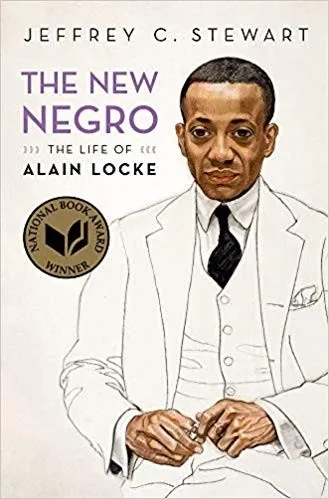
世紀の変わり目ごろ、黒人のフィラデルフィアから、小柄で身なりに気を配る一人の男が現れ、ラングストン・ヒューズ、ゾラ・ニール・ハーストン、ジェイコブ・ローレンスを含む一世代の若い芸術家たちを導き、彼らを「新しい黒人(ニュー・ニグロ)」——その芸術・文学・音楽・演劇が黒人を偉大さへと鼓舞するであろう、創造的なアフリカ系アメリカ人——と呼んだ。『The New Negro: The Life of Alain Locke』で、ジェフリー・C・スチュワートは、ハーレム・ルネサンスの父の、決定版というべき伝記を、その生涯に関する現存する一次資料と、彼を個人的に知っていた人々へのインタビューにもとづいて提示する。彼は、ロックが最初のアフリカ系アメリカ人ローズ奨学生となり、ハーヴァード大学で哲学の博士号を取得したことを含む、その教育と、ハワード大学教授としての長い経歴を語る。ロックはまた、ヨーロッパ大陸への旅を通して、コスモポリタンで美的な教養を得た。そこで彼は芸術の美を味わい、合衆国では知らなかった自由を経験した。それでいて彼は、ジャズ・エイジのアメリカにおける黒人文化の開花と、アメリカのモダニズムの真髄をなす創造としてのアフリカ系アメリカ人の文学的・芸術的な仕事の推進と、最も深く結びつくことになった。その過程で彼は、その人種の誇り高く美しい根を見いだすためにアフリカへと目を向けた。人種の議論を政治と経済から芸術へと移すことで、彼は、黒人の都市の共同体が創造性のるつぼになりうるという考えを打ち立てる一助となった。スチュワートは、ロックの職業上の生活と私生活の双方を——母、友人、白人のパトロンたちとの関係、そしてゲイの男性としての生涯にわたる愛の探求を含めて——探る。示唆に富むこの伝記は、黒人の文化的遺産を推進する中で、その過程で自らもまた一人の「新しい黒人」となったこの輝かしく謎めいた男の世界を、よみがえらせる。
AI翻訳 内容に誤りを含む場合があります。
原著あらすじ
A tiny, fastidiously dressed man emerged from Black Philadelphia around the turn of the century to mentor a generation of young artists including Langston Hughes, Zora Neale Hurston, and Jacob Lawrence and call them the New Negro--the creative African Americans whose art, literature, music, and drama would inspire Black people to greatness. In The New Negro : The Life of Alain Locke, Jeffrey C. Stewart offers the definitive biography of the father of the Harlem Renaissance, based on the extant primary sources of his life and on interviews with those who knew him personally. He narrates the education of Locke, including his becoming the first African American Rhodes Scholar and earning a PhD in philosophy at Harvard University, and his long career as a professor at Howard University. Locke also received a cosmopolitan, aesthetic education through his travels in continental Europe, where he came to appreciate the beauty of art and experienced a freedom unknown to him in the United States. And yet he became most closely associated with the flowering of Black culture in Jazz Age America and his promotion of the literary and artistic work of African Americans as the quintessential creations of American modernism. In the process he looked to Africa to find the proud and beautiful roots of the race. Shifting the discussion of race from politics and economics to the arts, he helped establish the idea that Black urban communities could be crucibles of creativity. Stewart explores both Locke's professional and private life, including his relationships with his mother, his friends, and his white patrons, as well as his lifelong search for love as a gay man. Stewart's thought-provoking biography recreates the worlds of this illustrious, enigmatic man who, in promoting the cultural heritage of Black people, became--in the process--a New Negro himself.
受賞
原書で読む
広告(アフィリエイト)を含みます
この本の和訳はまだありません(翻訳が望まれます)。