あらすじ
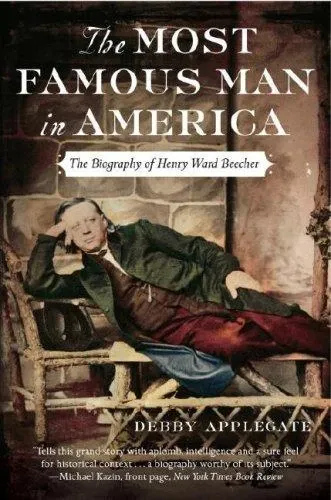
1813年の誕生の時、ヘンリー・ウォード・ビーチャーの成功を予言する者は誰もいなかった。最後の偉大なピューリタンの牧師の、陽気で騒々しい息子だった彼は、聡明な兄弟姉妹——とりわけ、その世紀のベストセラー『アンクル・トムの小屋』を著した姉ハリエット・ビーチャー・ストウ——の影に隠れる運命にあるように見えた。だが牧師の道へと押しやられると、カリスマ的なビーチャーは、父ライマンの旧約聖書的な地獄の業火の神学を脱ぎ捨て、代わりに新約聖書にもとづく無条件の愛と癒しの福音を説くことで国際的な名声を得て、近代アメリカのキリスト教の創始者の一人となった。1850年代までに、ブルックリン・ハイツのプリマス教会での彼の華々しい説教は、彼をニューヨーク随一の観光名所にしていた。あまりの人気に、マンハッタンからブルックリンへの渡し船は「ビーチャー・ボート」と呼ばれたほどだった。ビーチャーは、その時代のほとんどすべての重要な劇に自らを投じた——奴隷制廃止と女性参政権の運動、娯楽産業とタブロイド紙の台頭、そしてダーウィンの進化論から大統領選の政治に至るまでの論争。彼は、説教壇で奴隷を競り落として自由にしたり、カンザスの奴隷制反対の抵抗兵士たちに——「ビーチャーの聖書」とあだ名された——ライフルを送ったりといった、その不敬なユーモアと芝居がかった身ぶりで悪名高かった。エマソン、ソロー、ホイットマン、トウェインといった思想家たちが彼と親交を結び——そして時に彼を戯画化した。そしてそのすべてが崩れ去った。1872年、ビーチャーは、フェミニストの闘士ヴィクトリア・ウッドハルによって、最も敬虔な信徒の一人との姦通で告発された。突如として「愛の福音」は、欲望の人生を正当化するもののように見えた。寝取られた夫は「不法な情交」の訴えを起こし、その扇情的な裁判は、南北戦争全体よりも多くの新聞の見出しを集めて、その世紀で最も広く報じられた出来事となった。ビーチャーは生き延びたが、その評判と、女性の権利から進歩的な福音主義に至るまでの彼の大義は、今日にまで響く壊滅的な打撃を被った。小説さながらのページをめくらせるサスペンスと、劇的な新たな歴史的証拠を備えて、デビー・アップルゲイトは、この人を引きつける、気まぐれで、時に腹立たしい人物の、決定版というべき伝記を書き上げた。宗教と政治が再び衝突し、高い地位にある者の姦通が今なお見出しを飾る私たちの時代にあって、ビーチャーの物語は、現代アメリカの文化と対立に新たな光を投げかける。
AI翻訳 内容に誤りを含む場合があります。
原著あらすじ
No one predicted success for Henry Ward Beecher at his birth in 1813. The blithe, boisterous son of the last great Puritan minister, he seemed destined to be overshadowed by his brilliant siblings--especially his sister, Harriet Beecher Stowe, who penned the century's bestselling book Uncle Tom's Cabin. But when pushed into the ministry, the charismatic Beecher found international fame by shedding his father Lyman's Old Testament--style fire-and-brimstone theology and instead preaching a New Testament--based gospel of unconditional love and healing, becoming one of the founding fathers of modern American Christianity. By the 1850s, his spectacular sermons at Plymouth Church in Brooklyn Heights had made him New York's number one tourist attraction, so wildly popular that the ferries from Manhattan to Brooklyn were dubbed "Beecher Boats." Beecher inserted himself into nearly every important drama of the era--among them the antislavery and women's suffrage movements, the rise of the entertainment industry and tabloid press, and controversies ranging from Darwinian evolution to presidential politics. He was notorious for his irreverent humor and melodramatic gestures, such as auctioning slaves to freedom in his pulpit and shipping rifles--nicknamed "Beecher's Bibles"--to the antislavery resistance fighters in Kansas. Thinkers such as Emerson, Thoreau, Whitman, and Twain befriended--and sometimes parodied--him.And then it all fell apart. In 1872 Beecher was accused by feminist firebrand Victoria Woodhull of adultery with one of his most pious parishioners. Suddenly the "Gospel of Love" seemed to rationalize a life of lust. The cuckolded husband brought charges of "criminal conversation" in a salacious trial that became the most widely covered event of the century, garnering more newspaper headlines than the entire Civil War. Beecher survived, but his reputation and his causes--from women's rights to progressive evangelicalism--suffered devastating setbacks that echo to this day.Featuring the page-turning suspense of a novel and dramatic new historical evidence, Debby Applegate has written the definitive biography of this captivating, mercurial, and sometimes infuriating figure. In our own time, when religion and politics are again colliding and adultery in high places still commands headlines, Beecher's story sheds new light on the culture and conflicts of contemporary America.From the Hardcover edition.
受賞
原書で読む
広告(アフィリエイト)を含みます
この本の和訳はまだありません(翻訳が望まれます)。