王立協会科学図書賞 ・ 2016
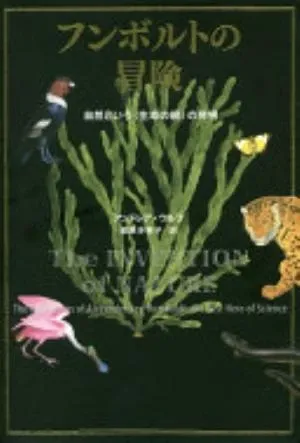
フンボルトの冒険 自然という〈生命の網〉の発明
あらすじ
自然が一つの網として捉えられるとき、その脆さもまた明らかになる。すべてはつながっている。一本の糸を引けば、綴れ織り全体がほどけてしまいかねない。1800年にベネズエラのバレンシア湖で植民地プランテーションの壊滅的な環境への影響を目にしたのち、フンボルトは、人間が引き起こす有害な気候変動について語った最初の科学者となった。そこでの森林伐採は土地を不毛にし、湖の水位は下がり、下生えの消失とともに集中豪雨が周囲の山の斜面の土を洗い流していた。フンボルトは、森林が大気を湿気で豊かにする力とその冷却効果、そして保水と土壌浸食からの保護におけるその重要性を、初めて説き明かした。彼は、人間が気候に手を加えており、それが「未来の世代」に予測しがたい影響を及ぼしうると警告した。本書『The Invention of Nature』は、この並外れた人物と私たちを結ぶ目に見えない糸をたどる。フンボルトは、当時の最も偉大な思想家・芸術家・科学者の多くに影響を与えた。トマス・ジェファソンは彼を「この時代の最も偉大な飾りの一人」と呼んだ。チャールズ・ダーウィンは「フンボルトの『個人的記録』を読むことほど、私の熱意をかき立てたものはなかった」と記し、フンボルトなしにはビーグル号に乗ることも、『種の起源』を着想することもなかっただろうと述べた。ウィリアム・ワーズワースとサミュエル・テイラー・コールリッジは、ともにフンボルトの自然の概念を自らの詩に取り込んだ。そしてアメリカで最も敬愛される自然の書き手ヘンリー・デイヴィッド・ソローは、詩人にして博物学者であるにはどうすればよいかという自らのジレンマへの答えを、フンボルトの著作の中に見いだした——『ウォールデン』は、フンボルトなしにはまったく異なる本になっていただろう。南アメリカをスペインの植民地支配から解放した革命家シモン・ボリバルは、フンボルトを「新世界の発見者」と呼び、ドイツ最大の詩人ヨハン・ヴォルフガング・フォン・ゲーテは、フンボルトと数日を過ごすことは「何年も生きたようなもの」だと言い切った。
AI翻訳 内容に誤りを含む場合があります。
原著あらすじ
From the Prologue... When nature is perceived as a web, its vulnerability also becomes obvious. Everything hangs together. If one thread is pulled, the whole tapestry may unravel. After he saw the devastating environmental effects of colonial plantations at Lake Valencia in Venezuela in 1800, Humboldt became the first scientist to talk about harmful human-induced climate change. Deforestation there had made the land barren, water levels of the lake were falling and with the disappearance of brushwood torrential rains had washed away the soils on the surrounding mountain slopes. Humboldt was the first to explain the forest's ability to enrich the atmosphere with moisture and its cooling effect, as well as its importance for water retention and protection against soil erosion. He warned that humans were meddling with the climate and that this could have an unforeseeable impact on ‘future generations'. The Invention of Nature traces the invisible threads that connect us to this extraordinary man. Humboldt influenced many of the greatest thinkers, artists and scientists of his day. Thomas Jefferson called him ‘one of the greatest ornaments of the age'. Charles Darwin wrote that ‘nothing ever stimulated my zeal so much as reading Humboldt's Personal Narrative,' saying that he would not have boarded the Beagle, nor conceived of the Origin of Species, without Humboldt. William Wordsworth and Samuel Taylor Coleridge both incorporated Humboldt's concept of nature into their poems. And America's most revered nature writer, Henry David Thoreau, found in Humboldt's books an answer to his dilemma on how to be a poet and a naturalist – Walden would have been a very different book without Humboldt. Simón Bolívar, the revolutionary who liberated South America from Spanish colonial rule, called Humboldt the ‘discoverer of the New World' and Johann Wolfgang von Goethe, Germany's greatest poet, declared that spending a few days with Humboldt was like ‘having lived several years'.
受賞
和訳版を買う
広告(アフィリエイト)を含みます