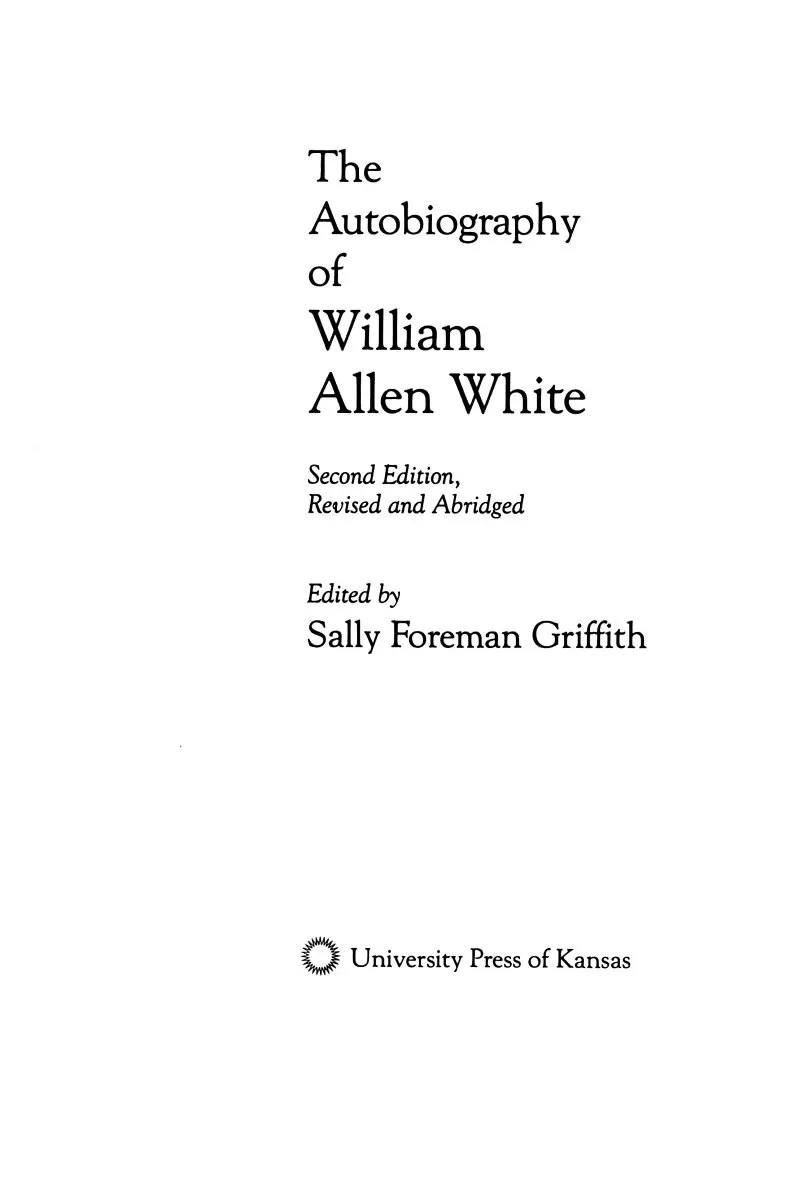
あらすじ
1944年の死の時、エンポリア・ガゼット紙の編集者ウィリアム・アレン・ホワイトは全国的な著名人であり、当代の真に偉大なアメリカ人の一人とたたえられていた。ライフ誌は彼を「小さな町の素朴さと親切さと良識の生きた象徴」と呼んだ。その経歴を通じて、ホワイトはその影響力の輪を、カンザス州エンポリアをはるかに超えて、国の大部分にまで広げていた。生涯の終わりまでに、彼は全国的に称賛されるジャーナリストとなり、伝記・小説・短編の著者となっていた。彼はまた、全国メディアにおける当代の出来事についての抜け目のない論評でも広く知られていた。影響力ある共和党の政治指導者であった彼は、革新党の創設を助け、社会改革と個人の権利を長年にわたって唱えた。だが彼を同時代の人々にもっとも愛させたのは、全国的な名声にもかかわらず、彼が何よりもまず小さな町の新聞人であり続けたことだった。1946年に死後に初めて刊行されたホワイトの『自伝』は、ホワイト自身のみならず、第一次世界大戦前の年月にアメリカを農業社会から強力な工業国家へと変えた男女の、古典的な肖像としてただちに称賛された。
AI翻訳 内容に誤りを含む場合があります。
原著あらすじ
At the time of his death in 1944, William Allen White, editor of the Emporia Gazette, was a national celebrity, proclaimed one of the truly great Americans of his age. Life magazine called him "a living symbol of small-town simplicity and kindliness and common sense." During his career White had managed to expand his circle of influence far beyond Emporia Kansas to include most of the nation. By the end of his life he had become a nationally acclaimed journalist and author of biographies, novels, and short stories. He was also widely known for his shrewd commentary on contemporary events in the national media. An influential Republican political leader, he helped found the Progressive party and was a longtime advocate of social reform and individual rights. But what endeared him most to his contemporaries was that, in spite of national fame, he remained first and foremost a small-town newspaperman. First published posthumously in 1946, White's Autobiography was immediately hailed as a classic portrait, not simply of White himself, but of the men and women who transformed America from an agrarian society to a powerful industrial nation in the years before World War I.
受賞
和訳版を買う
広告(アフィリエイト)を含みます