ピューリッツァー賞 一般ノンフィクション部門 ・ 2009
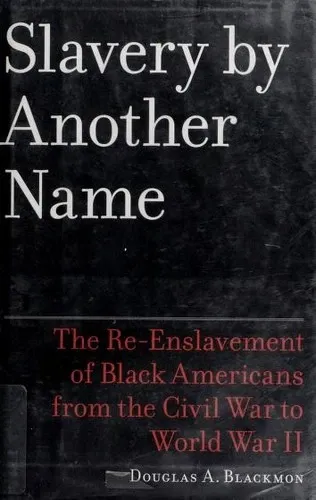
未訳Slavery by Another Name: The Re-Enslavement of Black Americans from the Civil War to World War II
あらすじ
この画期的な歴史的暴露の書で、ダグラス・A・ブラックモンは、アメリカ史のもっとも恥ずべき一章——南北戦争の余波から第二次世界大戦の幕開けにかけて栄えた「新奴隷制の時代」——に光を当てる。黒人を威嚇するために特別に制定された法のもとで、何万人ものアフリカ系アメリカ人が恣意的に逮捕され、法外な罰金を科され、自らの逮捕にかかった費用まで負わされた。この名目上の「負債」を支払う手立てもなく、囚人たちは強制労働者として、炭鉱、伐採場、れんが工場、鉄道、採石場、そして農園に売られた。ほかにも何千人ものアフリカ系アメリカ人が、南部の地主にただ捕らえられ、何年もの不本意な隷属を強いられた。政府の役人は、不当に投獄された黒人を、安価で豊富な労働力を求める小さな町の起業家、地方の農民、そしてU・S・スチールを含む数十の企業に貸し出した。「自由な」黒人男性の大群が、報酬もなく働かされ、繰り返し売り買いされ、殴打と身体的な拷問によって、アメリカで奴隷制が公式に廃止されたのちも何十年にわたり、白人の主人の言いなりにされた。この新奴隷制のシステムは、黒人労働者を意に反して拘束し続ける白人の訴追を妨げる法の抜け穴と連邦の政策を利用した。それが南部の政府の金庫に何百万ドルもの金を注ぎ込むにつれ、新たな奴隷制はまた、合衆国の政治システムへの完全な参加を求めるアフリカ系アメリカ人を恐怖に陥れる、重要な手段ともなった。膨大な一次資料と個人の証言にもとづき、本書は、奴隷解放宣言ののちに自由へと歩み出し、そして再び不本意な隷属の影へと戻された奴隷たちとその子孫の、失われた物語を掘り起こす。それはまた、人身の労働取引の再来に抗って敗れた人々、新奴隷制からもっとも利益を得た近代の企業、そして、第二次世界大戦の初めにアメリカの人種的虐待についての敵のプロパガンダを恐れたことも一因となって、1940年代にこのシステムが最終的に消滅したことの物語をも明らかにする。本書は、アフリカ系アメリカ人に対するほとんど知られていない犯罪と、今日にも響く人種主義の陰湿な遺産についての、胸を打つ、粛然とさせる記録である。
AI翻訳 内容に誤りを含む場合があります。
原著あらすじ
In this groundbreaking historical expose, Douglas A. Blackmon brings to light one of the most shameful chapters in American history--an "Age of Neoslavery" that thrived from the aftermath of the Civil War through the dawn of World War II.Under laws enacted specifically to intimidate blacks, tens of thousands of African Americans were arbitrarily arrested, hit with outrageous fines, and charged for the costs of their own arrests. With no means to pay these ostensible "debts," prisoners were sold as forced laborers to coal mines, lumber camps, brickyards, railroads, quarries, and farm plantations. Thousands of other African Americans were simply seized by southern landowners and compelled into years of involuntary servitude. Government officials leased falsely imprisoned blacks to small-town entrepreneurs, provincial farmers, and dozens of corporations--including U.S. Steel--looking for cheap and abundant labor. Armies of "free" black men labored without compensation, were repeatedly bought and sold, and were forced through beatings and physical torture to do the bidding of white masters for decades after the official abolition of American slavery.The neoslavery system exploited legal loopholes and federal policies that discouraged prosecution of whites for continuing to hold black workers against their wills. As it poured millions of dollars into southern government treasuries, the new slavery also became a key instrument in the terrorization of African Americans seeking full participation in the U.S. political system.Based on a vast record of original documents and personal narratives, Slavery by Another Name unearths the lost stories of slaves and their descendants who journeyed into freedom after the Emancipation Proclamation and then back into the shadow of involuntary servitude. It also reveals the stories of those who fought unsuccessfully against the re-emergence of human labor trafficking, the modern companies that profited most from neoslavery, and the system's final demise in the 1940s, partly due to fears of enemy propaganda about American racial abuse at the beginning of World War II.Slavery by Another Name is a moving, sobering account of a little-known crime against African Americans, and the insidious legacy of racism that reverberates today.
受賞
原書で読む
広告(アフィリエイト)を含みます
この本の和訳はまだありません(翻訳が望まれます)。