全米図書賞 ノンフィクション部門 ・ 1994
人間らしい死にかた―人生の最終章を考える
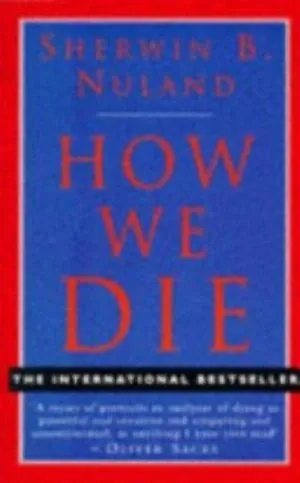
あらすじ
死と死にゆくことについての膨大な文献はあるが、私たちがどのように死ぬのかについての信頼できる記述はほとんどない。本書が示す、さまざまな病がいかにして命を奪っていくかの親密な記述は、恐怖やおののきを引き起こすためのものではなく、死のプロセスの神話を解き、私たちがあの未知の領域への恐れを振り払う助けとなるためのものである。死へと至る道——AIDS、がん、心臓発作、アルツハイマー病、事故、脳卒中——はありふれているが、私たち一人ひとりは、これまでのどの死とも異なるしかたで死んでいく。死のさまざまな現れの一つひとつは、私たちが生涯にわたって見せるあの唯一無二の顔と同じく、それぞれに固有のものである。それぞれの死の背後には、一つの物語がある。本書で、外科医にして医学の教師であるシャーウィン・B・ヌーランドは、なぜ人が死ぬのかだけでなく、いかに死ぬのかをも明らかにする、死にゆくいくつかの物語を語る。彼は、私たち一人ひとりが自分自身の死を迎えられるようにするためになしうる選択を明らかにする、死の経験の肖像を描き出す。
AI翻訳 内容に誤りを含む場合があります。
原著あらすじ
There is a vast literature on death and dying, but there are few reliable accounts of the ways in which we die. The intimate account of how various diseases take away life, offered in How We Die, is not meant to prompt horror or terror but to demythologize the process of dying to help us rid ourselves of that fear of the terra incognita. Though the avenues of death - AIDS, cancer, heart attack, Alzheimer's, accident, and stroke - are common, each of us will die in a way different from any that has gone before. Each one of death's diverse appearances is as distinctive as that singular face we each show during our lives. Behind each death is a story. In How We Die, Sherwin B. Nuland, a surgeon and teacher of medicine, tells some stories of dying that reveal not only why someone dies but how. He offers a portrait of the experience of dying that makes clear the choices that can be made to allow each of us his or her own death.
受賞
和訳版を買う
広告(アフィリエイト)を含みます