ピューリッツァー賞 一般ノンフィクション部門 ・ 2001
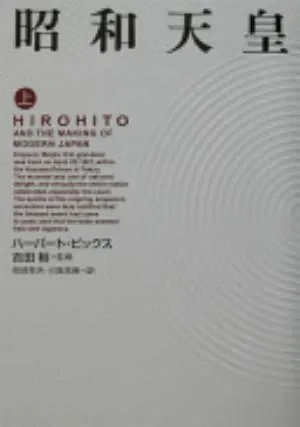
昭和天皇(上・下)
あらすじ
ピュリッツァー賞受賞作。日本の天皇ヒロヒトのこの画期的な伝記で、ハーバート・P・ビックスは、その63年に及ぶ治世が日本を近代世界へと導いた、この謎めいた指導者の、初の完全で飾らない姿を提示する。この物議をかもす人物の生涯の全体が、これほどの明晰さと鮮やかさをもって明らかにされたことはかつてなかった。ビックスは、国の政治的階層の頂点という孤独な地位に就くべく、また神聖な地位の崇められる象徴として、生まれたときから訓練されるとはどういうことかを示す。日本の皇室の伝統と近代の科学的世界観という異例の組み合わせに影響を受けながら、若き天皇は次第にその卓越した役割へと成長していく——台頭する超国家主義運動と自らを結びつけ、天皇を神として崇める信仰を永続させ、自らの権力を抑えようとする試みに抵抗し、その一方で、気の進まぬ受動的な君主というイメージを磨き上げながら。ここに私たちは、ヒロヒトのありのままの姿を見る——強い意志と現実の権威をもつ一人の人間を。これまで手をつけられてこなかった膨大な一次資料に支えられた本書は、天皇が世界の舞台に与えた影響をめぐる神話の覆いを剥ぐ点で、おそらくもっとも示唆に富む。ヒロヒトと側近たち、そして歴代の日本政府とのやり取りに焦点を当てながら、ビックスは、1937年の日中戦争と1941年のアジア太平洋戦争の開始の原因に新たな光を当てる。そして、国の増大する対外的侵略は天皇ではなく日本の軍国主義者のエリート集団によって推し進められ維持されたというのが従来の通説であったが、ここで目撃される現実は、それとはまったく異なる。ビックスは、1931年の満州の掌握から真珠湾攻撃、そして最終的に1945年の無条件降伏を受け入れるという運命的な決断に至るまで、戦時の作戦においてヒロヒトが果たした強く決定的な役割を、詳細に記録する。実際、天皇は頑なに戦争遂行を長引かせ、そのうえで、広島と長崎への恐るべき原爆投下と、ソ連の参戦とを、勝ち目のない状況からの自らの出口戦略として用いた。降伏の瞬間から、私たちは、アメリカと日本の指導者たちが、天皇の戦時の役割を潔白であるかのように塗り替え、日本人の歴史意識を作り変えることによって、ヒロヒトを天皇として存続させることを正当化しようと動いていくさまを見る。この戦略の要は、ヒロヒトとマッカーサー元帥との同盟だった。マッカーサーは、ヒロヒトがその威信を保ち、軍国主義的なイメージを脱ぎ捨てるのを助け、その一方で、日本を平和な国へと変えるための助けとして、天皇を名目上の存在として利用した。二人の協働は、日本が近代の中で歩み始め、そして——今なおそうであるように——自らの過去とどう折り合いをつけるかに苦しむ中で、天皇のイメージが戦後の年月とその後の数十年に大きくのしかかり続けることを確かなものにした。一国としての日本の発展という相反する目的を体現したその経歴の最後の最後まで、ヒロヒトは政治と、歴史における自らの位置とに心を奪われ続けた。本書は、その豊かな生涯と遺産についての決定版というべき記録を提供する。綿密に調査され、この上なく引き込まれる本書は、20世紀日本の歴史が、そのもっとも並外れて息の長い指導者の生涯を抜きにしては理解できないことの証しである。
AI翻訳 内容に誤りを含む場合があります。
原著あらすじ
Winner of the Pulitzer PrizeIn this groundbreaking biography of the Japanese emperor Hirohito, Herbert P. Bix offers the first complete, unvarnished look at the enigmatic leader whose sixty-three-year reign ushered Japan into the modern world. Never before has the full life of this controversial figure been revealed with such clarity and vividness. Bix shows what it was like to be trained from birth for a lone position at the apex of the nation's political hierarchy and as a revered symbol of divine status. Influenced by an unusual combination of the Japanese imperial tradition and a modern scientific worldview, the young emperor gradually evolves into his preeminent role, aligning himself with the growing ultranationalist movement, perpetuating a cult of religious emperor worship, resisting attempts to curb his power, and all the while burnishing his image as a reluctant, passive monarch. Here we see Hirohito as he truly was: a man of strong will and real authority.Supported by a vast array of previously untapped primary documents, Hirohito and the Making of Modern Japan is perhaps most illuminating in lifting the veil on the mythology surrounding the emperor's impact on the world stage. Focusing closely on Hirohito's interactions with his advisers and successive Japanese governments, Bix sheds new light on the causes of the China War in 1937 and the start of the Asia-Pacific War in 1941. And while conventional wisdom has had it that the nation's increasing foreign aggression was driven and maintained not by the emperor but by an elite group of Japanese militarists, the reality, as witnessed here, is quite different. Bix documents in detail the strong, decisive role Hirohito played in wartime operations, from the takeover of Manchuria in 1931 through the attack on Pearl Harbor and ultimately the fateful decision in 1945 to accede to an unconditional surrender. In fact, the emperor stubbornly prolonged the war effort and then used the horrifying bombings of Hiroshima and Nagasaki, together with the Soviet entrance into the war, as his exit strategy from a no-win situation. From the moment of capitulation, we see how American and Japanese leaders moved to justify the retention of Hirohito as emperor by whitewashing his wartime role and reshaping the historical consciousness of the Japanese people. The key to this strategy was Hirohito's alliance with General MacArthur, who helped him maintain his stature and shed his militaristic image, while MacArthur used the emperor as a figurehead to assist him in converting Japan into a peaceful nation. Their partnership ensured that the emperor's image would loom large over the postwar years and later decades, as Japan began to make its way in the modern age and struggled -- as it still does -- to come to terms with its past.Until the very end of a career that embodied the conflicting aims of Japan's development as a nation, Hirohito remained preoccupied with politics and with his place in history. Hirohito and the Making of Modern Japan provides the definitive account of his rich life and legacy. Meticulously researched and utterly engaging, this book is proof that the history of twentieth-century Japan cannot be understood apart from the life of its most remarkable and enduring leader.
受賞
和訳版を買う
広告(アフィリエイト)を含みます