あらすじ
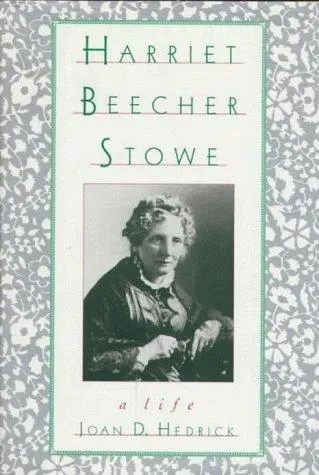
「今年まで私は、この主題に立ち入るべき特別な使命など自分にはないと、ずっと感じてきました……。けれども今、私は感じています。女であれ子どもであれ、自由と人間性のために一言でも語れる者は、語らねばならない時が来たのだと」——こうしてハリエット・ビーチャー・ストウは、やがて史上もっとも影響力のある小説の一つとなる作品に取りかかる決意を告げた。彼女が「立ち入る」ことをためらっていた主題とは奴隷制であり、その小説とは、いうまでもなく『アンクル・トムの小屋』である。アフリカ系アメリカ人の描き方や、文学的正典における未解決の位置づけをめぐって今日なお論じられているこのストウの代表作は、1851年6月5日から1852年4月1日にかけて、まず週刊の連載として発表された。それは北部でも南部でも、さらにはイギリスでも大きな反響を呼び、1862年にストウがリンカーン大統領と会ったとき、大統領は「では、あなたがこの大戦争を引き起こした本を書いた小さなご婦人ですか」という言葉で彼女を迎えたと伝えられている。この画期的な書物——半世紀以上ぶりとなる、ハリエット・ビーチャー・ストウの本格的な伝記——で、ジョーン・D・ヘドリックは、この才能豊かで、複雑で、矛盾に満ちた女性の、引き込まれるような物語を語る。ヘドリックは読者を19世紀の道徳と習俗の幾重にも重なった世界へと導き、当時広く行き渡っていた「真の女性らしさ」の観念が、歯に衣着せぬビーチャー一族の一員としてのストウの育ちに与えた影響や、7人の子の母でありながら世論の書き手・形成者でもあった彼女の波乱に満ちた生涯を探る。本書は、44年に及ぶ経歴を通じてストウを世に送り出し支え続けた、花開くサロン社会の生き生きとした記録であり、また、当時の多くの女性の生を支配した過酷な身体的現実の記録でもある。疫病、高い乳児死亡率、そしてしばしば悲惨だった当時の医療の実態が、西部への拡大、奴隷制廃止運動に伴う大きな社会的激動、そして女性の公的生活への進出を背景に、胸を打つ細やかさで描かれる。ここには、南北戦争の前後におけるストウの公的な栄光と、生後18か月の愛する息子の死、別の息子の水死、そしてほかの子どものうち二人のアルコールとモルヒネへの依存を含む私的な悲劇の双方がある。著名な牧師たちの娘・妹・妻であったストウは、その苦悩と野心を、他者のための、社会に受け入れられる怒りへと注ぎ込み、自らの私的な経験を、一国を動かす力強い物語へと変えた。その広がりにおいて堂々とし、細部において豊かなこの決定版というべき肖像は、ハリエット・ビーチャー・ストウの生涯と、アメリカ文学への彼女の貢献の全体を余すところなく探る。鋭く、引き込まれるこの書物は、文学が趣味からひとつの職業へと移り変わっていく時代における一人の主要な作家の経歴を照らし出し、前世紀の女性たちの生の苦しみ・喜び・達成への魅力的なまなざしを提供する。
AI翻訳 内容に誤りを含む場合があります。
原著あらすじ
""Up to this year I have always felt that I had no particular call to meddle with this subject.... But I feel now that the time is come when even a woman or a child who can speak a word for freedom and humanity is bound to speak." Thus did Harriet Beecher Stowe announce her decision to begin work on what would become one of the most influential novels ever written. The subject she had hesitated to "meddle with" was slavery, and the novel, of course, was Uncle Tom's Cabin. Still debated today for its portrayal of African Americans and its unresolved place in the literary canon, Stowe's best-known work was first published in weekly installments from June 5, 1851 to April 1, 1852. It caused such a stir in both the North and South, and even in Great Britain, that when Stowe met President Lincoln in 1862 he is said to have greeted her with the words, "So you are the little woman who wrote the book that created this great war!"" "In this landmark book, the first full-scale biography of Harriet Beecher Stowe in over fifty years, Joan D. Hedrick tells the absorbing story of this gifted, complex, and contradictory woman. Hedrick takes readers into the multi-layered world of nineteenth-century morals and mores, exploring the influence of then-popular ideas of "true womanhood" on Stowe's upbringing as a member of the outspoken Beecher clan, and her eventful life as a writer and shaper of public opinion who was also a mother of seven. It offers a lively record of the flourishing parlor societies that launched and sustained Stowe throughout the 44 years of her career, and the harsh physical realities that governed so many women's lives. The epidemics, high infant mortality, and often disastrous medical practices of the day are portrayed in moving detail, against the backdrop of western expansion, the great social upheaval accompanying the abolitionist movement, and the entry of women into public life." "Here are Stowe's public triumphs, both before and after the Civil War, and the private tragedies that included the death of her beloved eighteen month old son, the drowning of another son, and the alcohol and morphine addictions of two of her other children. The daughter, sister, and wife of prominent ministers; Stowe channeled her anguish and her ambition into a socially acceptable anger on behalf of others, transforming her private experience into powerful narratives that moved a nation." "Magisterial in its breadth and rich in detail, this definitive portrait explores the full measure of Harriet Beecher Stowe's life and her contribution to American literature. Perceptive and engaging, it illuminates the career of a major writer during the transition of literature from an amateur pastime to a profession, and offers a fascinating look at the pains, pleasures, and accomplishments of women's lives in the last century."--BOOK JACKET.
受賞
原書で読む
広告(アフィリエイト)を含みます
この本の和訳はまだありません(翻訳が望まれます)。