あらすじ
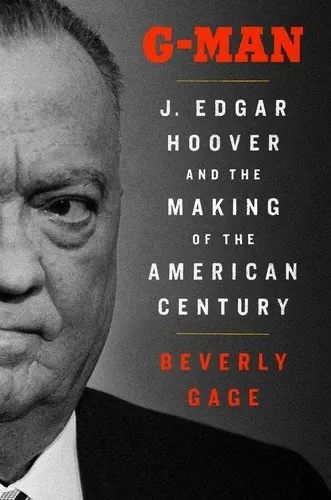
私たちは彼を、ブルドッグのような姿——ずんぐりした体、離れて突き出た目、恐ろしげな頬——として記憶している。だが、FBI長官となった1924年当時の彼は、行政国家の引き締まって華々しい神童であり、エネルギーと改革への大きな構想に満ちていた。彼は、スキャンダルにまみれて機能不全に陥っていた法執行の停滞した組織を、近代的な機械へと変えた。彼は、連邦政府が国と市民のために偉大なことを成しうる力を信じていた。だが彼はまた、ある種の人々——その多くは共産主義者や人種的少数者、あるいはその両方だった——は、そのアメリカの営みに含まれるに値しないとも信じていた。フーヴァーは権力の座に上り詰め、その後も何十年にもわたってそこに居座り、国家の道具を用いて、合衆国史上比類のない個人的な支配領域を築き上げた。ビヴァリー・ゲイジの記念碑的な仕事は、1895年にワシントンのつましい公務員一家に生まれてから1972年に世を去るまで、フーヴァーの生涯と経歴の全貌を探る。その繊細で決定版というべき肖像で、ゲイジは、フーヴァーが、国の他の部分を力ずくで屈服させた一次元的な暴君・策略家にとどまらない存在であったことを示す。1924年から1972年に世を去るまでFBI長官を務めた彼は、8人の合衆国大統領——共和党4人、民主党4人——にとって、腹心であり、助言者であり、そして敵対者でもあった。フランクリン・ローズヴェルトとリンドン・ジョンソンが彼に最も大きな権限を与えたが、8人の中で彼の最も親しい友は、同じ反共の闘士リチャード・ニクソンだった。フーヴァーは脅迫や威嚇も辞さなかったが、反共主義から白人至上主義、そして十字軍的で政治化されたキリスト教解釈に至るまでの保守的価値観をも体現していた。それが何百万ものアメリカ人の称賛を彼にもたらした。彼がこれほど長く在職したのは、政府の最高位から草の根に至るまで、多くの人々が彼をそこに望み、彼のしていることを支持したからであり、こうして、政治的右派が自党を作り変えるために踏襲する型が生み出されたのである。本書は、フーヴァーを、かつて彼が立っていた場所——周縁ではなく中心——へとアメリカ政治史の中で置き直し、20世紀を通じて統治・警察活動・人種・イデオロギー・政治文化・連邦権力がたどった軌跡を、彼の物語を用いて説き明かす。
AI翻訳 内容に誤りを含む場合があります。
原著あらすじ
We remember him as a bulldog--squat frame, bulging wide-set eyes, fearsome jowls--but in 1924, when he became director of the FBI, he had been the trim, dazzling wunderkind of the administrative state, buzzing with energy and big ideas for reform. He transformed a failing law-enforcement backwater, riddled with scandal, into a modern machine. He believed in the power of the federal government to do great things for the nation and its citizens. He also believed that certain people--many of them communists or racial minorities or both-- did not deserve to be included in that American project. Hoover rose to power and then stayed there, decade after decade, using the tools of state to create a personal fiefdom unrivaled in U.S. history. Beverly Gage's monumental work explores the full sweep of Hoover's life and career, from his birth in 1895 to a modest Washington civil-service family through his death in 1972. In her nuanced and definitive portrait, Gage shows how Hoover was more than a one-dimensional tyrant and schemer who strong-armed the rest of the country into submission. As FBI director from 1924 through his death in 1972, he was a confidant, counselor, and adversary to eight U.S. presidents, four Republicans and four Democrats. Franklin Roosevelt and Lyndon Johnson did the most to empower him, yet his closest friend among the eight was fellow anticommunist warrior Richard Nixon. Hoover was not above blackmail and intimidation, but he also embodied conservative values ranging from anticommunism to white supremacy to a crusading and politicized interpretation of Christianity. This garnered him the admiration of millions of Americans. He stayed in office for so long because many people, from the highest reaches of government down to the grassroots, wanted him there and supported what he was doing, thus creating the template that the political right has followed to transform its party. G-Man places Hoover back where he once stood in American political history--not at the fringes, but at the center--and uses his story to explain the trajectories of governance, policing, race, ideology, political culture, and federal power as they evolved over the course of the 20th century.
受賞
原書で読む
広告(アフィリエイト)を含みます
この本の和訳はまだありません(翻訳が望まれます)。