ピューリッツァー賞 一般ノンフィクション部門 ・ 2016
ブラック・フラッグス:「イスラム国」台頭の軌跡(上・下)
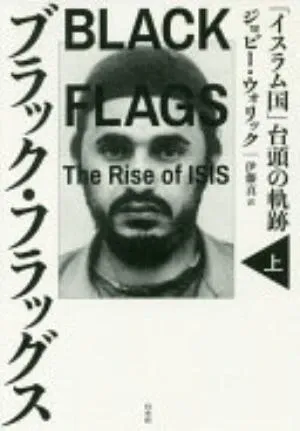
あらすじ
スリリングで劇的な物語の中で、ピュリッツァー賞を受賞した記者ジョビー・ワリックは、ISISの背後にある過激派イスラム主義の系譜が、いかにしてヨルダンの辺鄙な刑務所で最初に生まれ、二人のアメリカ大統領の心ならずもの助けを得て広がっていったかをたどる。1999年、ヨルダン政府が政治犯の一団に恩赦を与えたとき、その中にアブー・ムサブ・アル・ザルカウィ——テロの首謀者にして、まもなく中東支配をもくろむイスラム主義運動の設計者となる男——がいることに、政府はほとんど気づいていなかった。ISISの台頭を人物本位で描く前例のない記録である本書で、ワリックは、この一人の男の狂信と、ブッシュ・オバマ両大統領の戦略的失敗が、いかにしてシリアとイラクの広大な地域にISISの旗を掲げさせるに至ったかを示す。ザルカウィは北イラクの拠点からテロ攻撃を指揮することから始めたが、彼を巨大な反乱の指導者へと押し上げたのは、2003年のアメリカによる侵攻だった。彼をサダムとビン・ラディンをつなぐ環だと誤って断定したことで、アメリカ政府は図らずも、同じ考えを持つ過激派たちを彼の大義のもとに結集させてしまった。彼らによる残虐な斬首と自爆テロの波は、アメリカとヨルダンの情報機関が手がかりをつかみ、2006年にザルカウィの隠れ家への致命的な空爆へと至るまで続いた。だが彼の運動は生き延びた。初めは「イラクのアルカイダ」を名乗り、次いで「イラク・シリア・イスラム国」すなわちISISと名乗った彼の追随者たちは、イラクとシリアの国境沿いの不安定で統治の及ばない一角に身を潜めた。2011年にシリア内戦が勃発し、アメリカがおおむね傍観する中で、ISISは、超保守的なイスラムのカリフ国家というザルカウィの夢を追う好機をとらえた。CIAとヨルダンの情報源への類なき高位のアクセスにもとづき、ワリックは、息詰まるような刻一刻の作戦の細部を、外交官やスパイ、将軍や国家元首——その多くはアルカイダより危険な脅威を予見し、それを食い止めようと必死になった——の視点と織り合わせていく。
AI翻訳 内容に誤りを含む場合があります。
原著あらすじ
"In a thrilling dramatic narrative, Pulitzer Prize-winning reporter Joby Warrick traces how the strain of militant Islam behind ISIS first arose in a remote Jordanian prison and spread with the unwitting aid of two American presidents. When the government of Jordan granted amnesty to a group of political prisoners in 1999, it little realized that among them was Abu Musab al-Zarqawi, a terrorist mastermind and soon the architect of an Islamist movement bent on dominating the Middle East. In Black Flags, an unprecedented character-driven account of the rise of ISIS, Joby Warrick shows how the zeal of this one man and the strategic mistakes of Presidents Bush and Obama led to the banner of ISIS being raised over huge swaths of Syria and Iraq. Zarqawi began by directing terror attacks from a base in northern Iraq, but it was the American invasion in 2003 that catapulted him to the head of a vast insurgency. By falsely identifying him as the link between Saddam and bin Laden, U.S.^ officials inadvertently spurred like-minded radicals to rally to his cause. Their wave of brutal beheadings and suicide bombings persisted until American and Jordanian intelligence discovered clues that led to a lethal airstrike on Zarqawi's hideout in 2006. His movement, however, endured. First calling themselves al-Qaeda in Iraq, then Islamic State of Iraq and Syria, or ISIS, his followers sought refuge in unstable, ungoverned pockets on the Iraq-Syria border. When the Syrian civil war broke out in 2011, and as the U.S. largely stood by, ISIS seized its chance to pursue Zarqawi's dream of an ultra-conservative Islamic caliphate. Drawing on unique high-level access to CIA and Jordanian sources, Warrick weaves gripping, moment-by-moment operational details with the perspectives of diplomats and spies, generals and heads of state, many of whom foresaw a menace worse than al Qaeda and tried desperately to stop it.^ Black Flags is a brilliant and definitive history that reveals the long arc of today's most dangerous extremist threat"-- "When he succeeded his father in 1999, King Abdullah of Jordan released a batch of political prisoners in the hopes of smoothing his transition to power. Little did he know that among those released was Abu Musab al-Zarqawi, a man who would go on to become a terrorist mastermind too dangerous even for al-Qaeda and give rise to an Islamist movement bent on dominating the Middle East. Zarqawi began by directing hotel bombings and assassinations in Jordan from a base in northern Iraq, but it was the American invasion of that country in 2003 that catapulted him to the head of a vast insurgency. By identifying him as the link between Saddam and bin Laden, the CIA inadvertently created a monster. Like-minded radicals saw him as a hero resisting the infidel occupiers and rallied to his cause. Their wave of brutal beheadings and suicide bombings continued for years until Jordanian intelligence provided the Americans with the crucial intelligence needed to eliminate Zarqawi in a 2006 airstrike. But his movement endured, first called al-Qaeda in Iraq, then renamed Islamic State of Iraq and Syria, or ISIS, seeking refuge in unstable, ungoverned pockets on the Iraq-Syria border. And as the Syrian civil war broke out in 2011, ISIS seized its chance to pursue Zarqawi's dream of a sweeping, ultra-conservative Islamic caliphate. Drawing on unique access to CIA and Jordanian sources, Joby Warrick weaves together heart-pounding, moment-by-moment operational details with overarching historical perspectives to reveal the long trajectory of today's most dangerous Islamic extremist threat"--
受賞
和訳版を買う
広告(アフィリエイト)を含みます