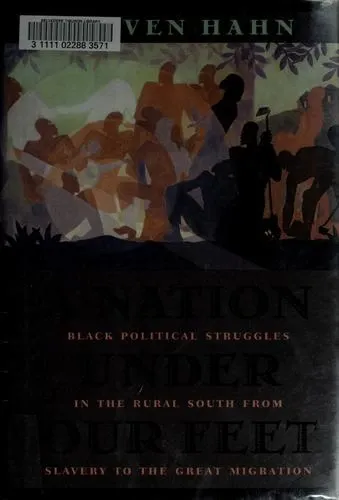
A Nation Under Our Feet: Black Political Struggles in the Rural South from Slavery to the Great Migration
あらすじ
これは、奴隷制の終焉に続く60年間に、アフリカ系アメリカ人がいかにして自らを政治的な民——胎動する黒人の「ネイション」——へと変えていったかを描く壮大な物語である。スティーヴン・ハーンが示すように、農村部のアフリカ系アメリカ人は、連邦分裂・奴隷解放・国家建設という大事件において中心的な政治的主体だった。同時にハーンは、政治や政治的実践の性質と境界を、より広くとらえ直すよう促す。親族関係・労働・コミュニケーションの網の目の重要性を強調しつつ、本書は奴隷制下で育まれた政治的関係と感性を掘り下げ、それらが草の根の動員の下地をいかに整えたかを示す。ハーンは各地の指導者たちを紹介し、政治的共同体がいかに築かれ、守られ、再建されたかを描く。彼はまた、自治の希求を、南部農村全域にわたる黒人の政治の本質的な目標として位置づける——再建期の地方権力をめぐる争いから、移住主義、人種を超えた選挙同盟、社会的分離主義、そして最終的には大移動に至るまで。ハーンは、ガーヴィー主義をはじめとする大衆的な黒人ナショナリズムがこれら初期の闘いを吸収し発展させ、北部都市への第一世代の移住者と、南部にとどまった人々とを結びつけたと論じる。彼は「奴隷制の側から見はるかす」という新たな枠組みを提示し、20世紀の黒人の政治意識のあり方や、芽生えつつあった公民権をめぐる闘いを理解しようとする。それは力強い物語であり、ここで初めて語られると同時に、アメリカ民主主義について希望と憂いの両方を示す視座をもたらす。
AI翻訳 内容に誤りを含む場合があります。
原著あらすじ
This is the epic story of how African-Americans, in the six decades following slavery, transformed themselves into a political people-an embryonic black nation. As Steven Hahn demonstrates, rural African-Americans were central political actors in the great events of disunion, emancipation, and nation-building. At the same time, Hahn asks us to think in more expansive ways about the nature and boundaries of politics and political practice. Emphasizing the importance of kinship, labor, and networks of communication, A Nation under Our Feet explores the political relations and sensibilities that developed under slavery and shows how they set the stage for grassroots mobilization. Hahn introduces us to local leaders, and shows how political communities were built, defended, and rebuilt. He also identifies the quest for self-governance as an essential goal of black politics across the rural South, from contests for local power during Reconstruction, to emigrationism, biracial electoral alliances, social separatism, and, eventually, migration. Hahn suggests that Garveyism and other popular forms of black nationalism absorbed and elaborated these earlier struggles, thus linking the first generation of migrants to the urban North with those who remained in the South. He offers a new framework-looking out from slavery-to understand twentieth-century forms of black political consciousness as well as emerging battles for civil rights. It is a powerful story, told here for the first time, and one that presents both an inspiring and a troubling perspective on American democracy. Emphasizing the role of kinship, labor, and networks in the African-American community, the author retraces six generations of black struggles since the end of the Civil War, revealing a "nation" under construction throughout this entire period.
受賞
原書で読む
広告(アフィリエイト)を含みます
この本の和訳はまだありません(翻訳が望まれます)。